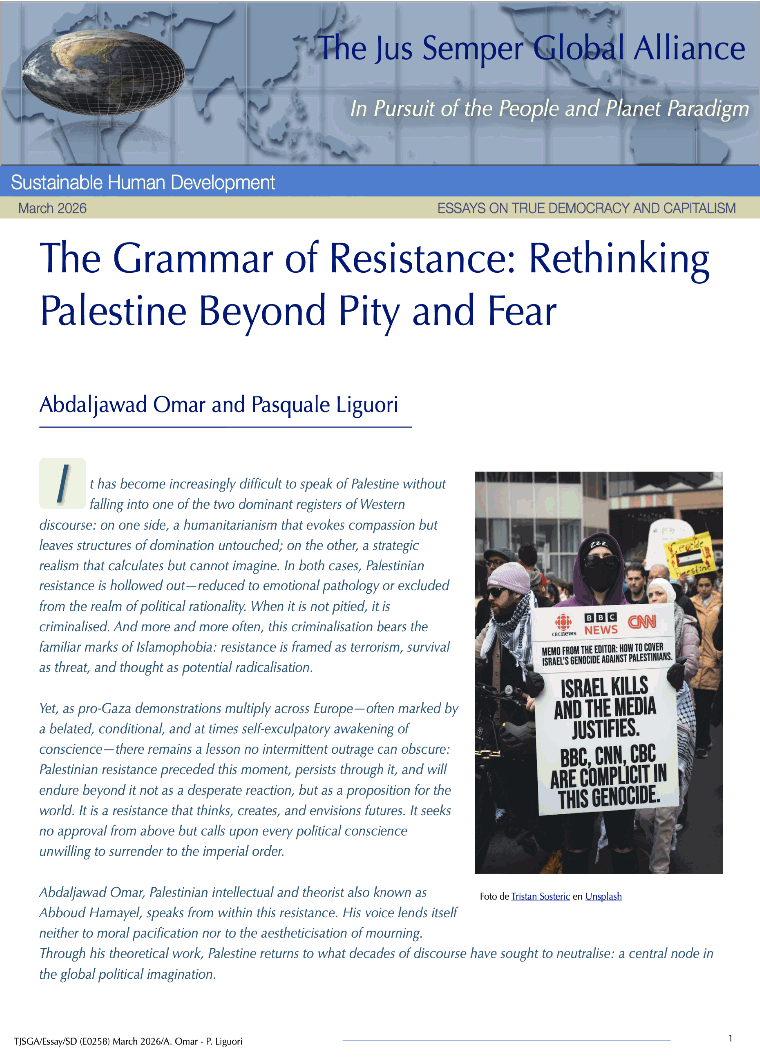
Abdaljawad Omar and Pasquale Liguori Yet, as pro-Gaza demonstrations multiply across Europe—often marked by a belated, conditional, and at times self-exculpatory awakening of conscience—there remains a lesson no intermittent outrage can obscure: Palestinian resistance preceded this moment, persists through it, and will endure beyond it not as a desperate reaction, but as a proposition for the world. It is a resistance that thinks, creates, and envisions futures. It seeks no approval from above but calls upon every political conscience unwilling to surrender to the imperial order.
For a full read of this essay, click here or on the picture to download the pdf file
|




- © The Jus Semper Global Alliance
| Home |  | Resources | | Democracy Best Practices | | The Grammar of Resistance: Rethinking Palestine Beyond Pity and Fear |


